
By now you must’ve heard “Madrid is such a walk-able city” a few times over. And it is true! Walking allows you to intimately discover the cozy corners of the city you would otherwise miss zipping by in a car or bus. But when you are ready to put on some cute shoes and explore further out, Madrid’s transportation network of buses, metro lines and trains is simple to navigate and even affordable. Here are my top transportation tips and tricks to easily exploring Madrid with public transportation.

Buses, Metros and Trains: Your Favorite Little Red Card
We love a good deal! If you are 25 and under one of the best parts about living in Madrid is that after obtaining your Abono Joven 30 Días card, you are able to endlessly explore between zones A and E2 for only 20 euros a month! This card can be used on the buses, metros and trains and makes getting around the city super simple. For more information on this card and how to get your hands on one, check out this page. But don’t just stay in the city center! There is a whole list of amazing cities including Toledo and Segovia that you are able to access for **free! ** with this card that others would need a ticket for. Check out this list of cities that are included with the Abono Joven card for endless adventures that are budget friendly.
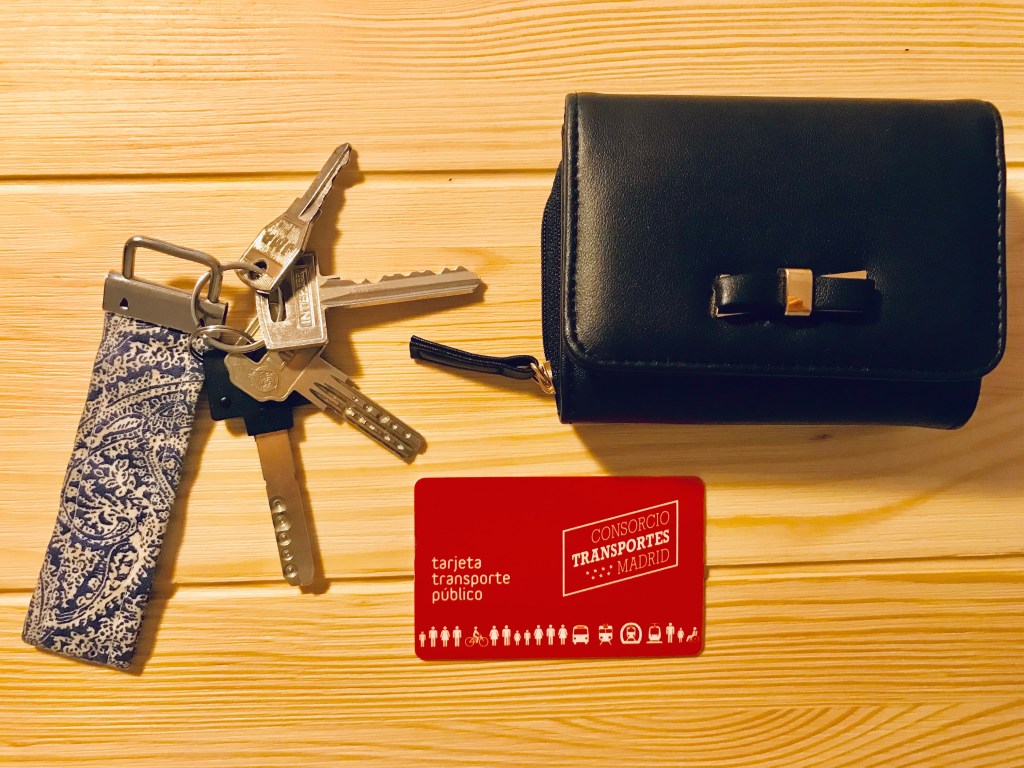
If you are over the age of 25, no worries! If you live in Madrid, obtaining your personalized transportation card will save you time and money when compared with purchasing individual tickets for each trip. Residents over the age of 25 are eligible for the Abono Normal 30 Días. While the Joven card includes A-E2 zones, you are able to choose which zones to pay for with the Normal card. The different zones range in price from 54,60 to 131,80 euros per month.
If you are visiting the city for a short time, check out Madrid’s tourist ticket! Depending on your itinerary, you may find it cheaper to purchase this card than individual tickets. For all the information you will ever need to know about Madrid’s Metro system, including the tourist ticket, check out Madrid’s Metro website in English.
Walking Can Be Your Best Friend
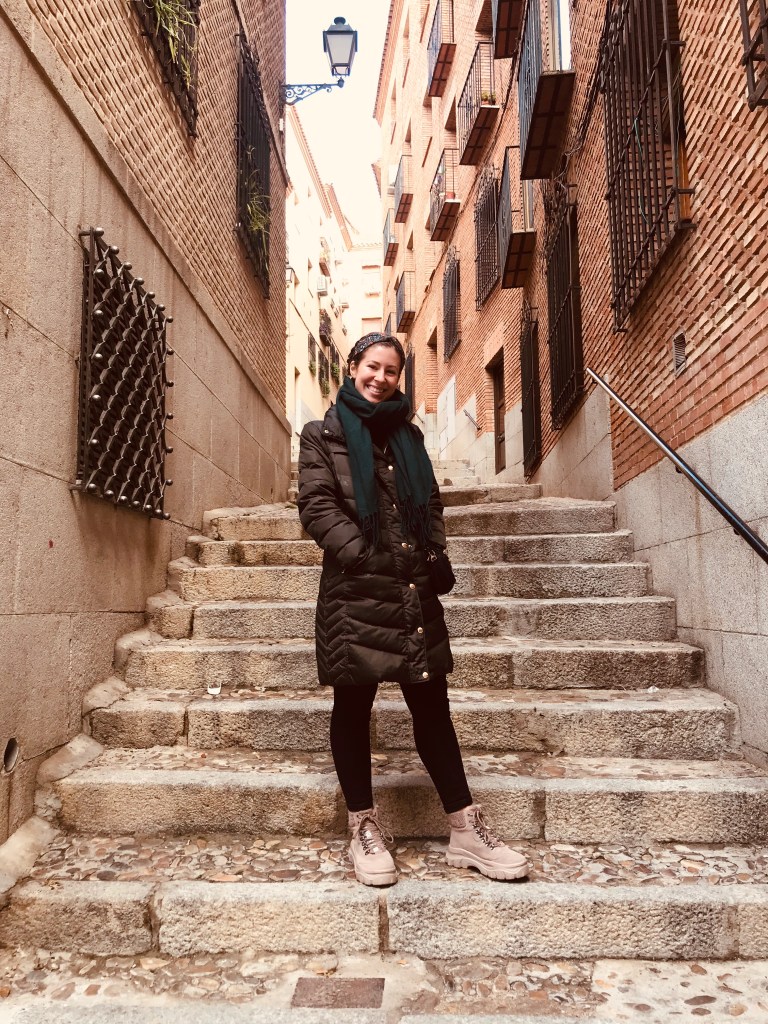
As I’ve said before, Madrid is a walkable city. You will not have to worry about getting your steps in! The center of Spain is known for its mild and dry weather after the heat of the summer months has passed. But while I do enjoying walking in the city, I’ve had my fair share of blisters. Plan on packing and wearing practical shoes for just about any occasion. If you like to wear heels to go out, you will probably feel it by the end of the night walking between bus or metro stops.
While the transportation network is fairly reliable, nothing beats walking to destinations less than a kilometer or little more than half a mile away. You will save so much time waiting on your transportation of choice (especially buses!) and I find walking to be relaxing and a great way to find hidden details you may have never noticed. Walking is the easiest way to become acquainted with the city streets and it has helped me feel more at home once I knew my way around by foot. There are even apps that make walking enjoyable like this self-guided walking tour app to explore Madrid. Here is another fun walking guide you should check out created by blogger Somto!
Know Before You Go
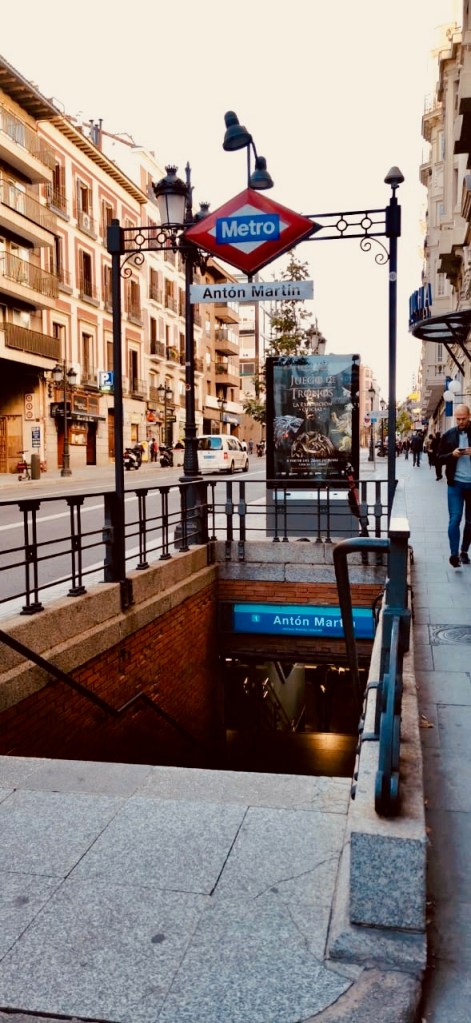
Are you looking for the small town feel, the hustle and bustle of the city, or both? For me personally, it was important to live in the actual city of Madrid so I could be close to what mattered most to me. Personally, I would much rather commute to work than commute to attend events with friends, explore the cuisine of the city or even go out for the night. So that comes to my third tip: make sure you prioritize an easy commute to work or to the city center when you are looking for a place to live. Trust me when I say you will not want to take two buses, a train and a few stops on the metro for your daily commute no matter how cheap or lovely your apartment is.
Living near a metro stop or train station is a huge plus for day-to-day convenience and a factor in how much you enjoy your experience here. Research the commute to grocery stores, parks, libraries, coffee shops, and anything else that is important to you. It may not look far on the map, but the setup of transportation in your area may make it a hassle to get too far. This tip is especially true for towns outside of the city center of Madrid, where transportation options may be more spread out. Do your transportation research. You will thank me later!!
Prepare to Explore and Explore Prepared
Bringing along a few of these transportation essentials really makes life easier, but the best part is they can even save you money. Consider throwing a few of these items in your bag or backpack:
Reusable Water Bottle: This is a must as not only will it save you a euro or two if you become thirsty, but you will feel your best when you are hydrated which is especially true in warmer weather. The tap water in Madrid is safe so you can fill up pretty much anywhere.
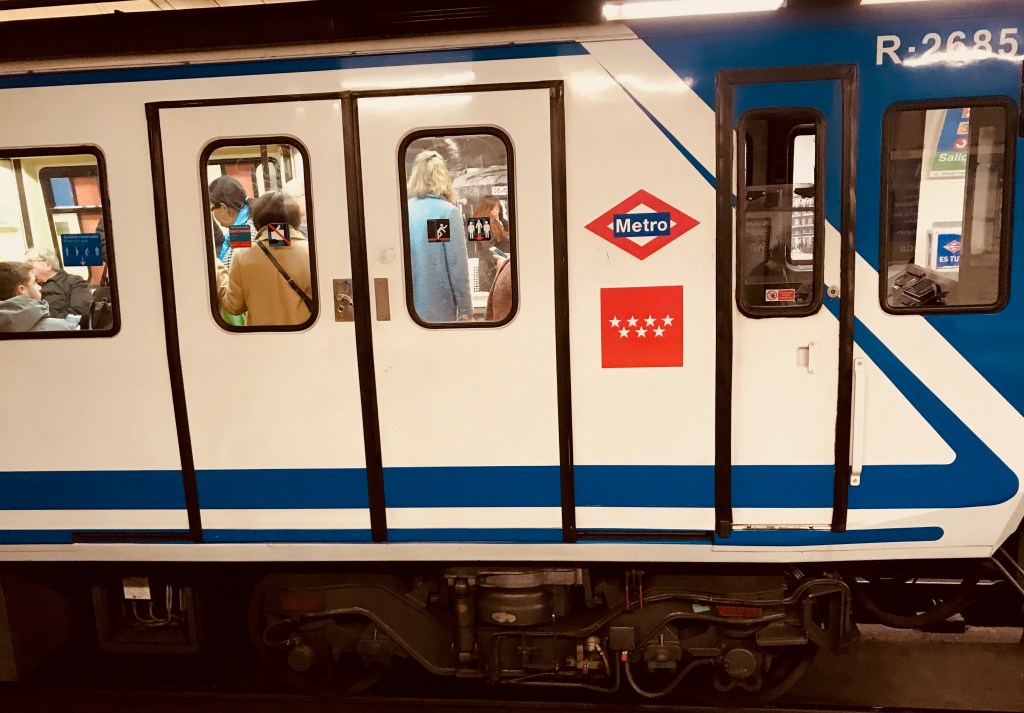
Phone Charger: Travel with a well-charged phone and bring along a spare phone charger or cable. It will be important to have access to Google Maps if you are new to getting around. With this essential on hand, you will be able to catch an Uber if you happen to miss the last bus or metro of the night. Some metro cars and buses actually have outlets for you to plug USB cords into!
Ear Buds and a Small Book: When using public transportation, there is bound to be some wait time. Fill your time by doing something productive and you won’t feel like you spend so much time getting from place to place! Listen to Spanish podcasts offline or leaf through your favorite book translated in Spanish to learn faster! You will be amazed how quickly the short bursts of time add up and how much you can improve your Spanish with this simple trick.
Spare Change: Just in case you forgot to renew your transportation card and need change for the bus, this hack comes in handy. You may also save on credit card fees for small purchases, like a super convenient train station café con leche.
Hand Sanitizer/Wet-Wipes: The whole transportation system is generally pretty clean, but anywhere that is frequented by hundreds of people on a daily basis is sure to be full of germs: especially the handrails and poles. Make sure you have a small container of hand sanitizer on you to avoid getting sick.
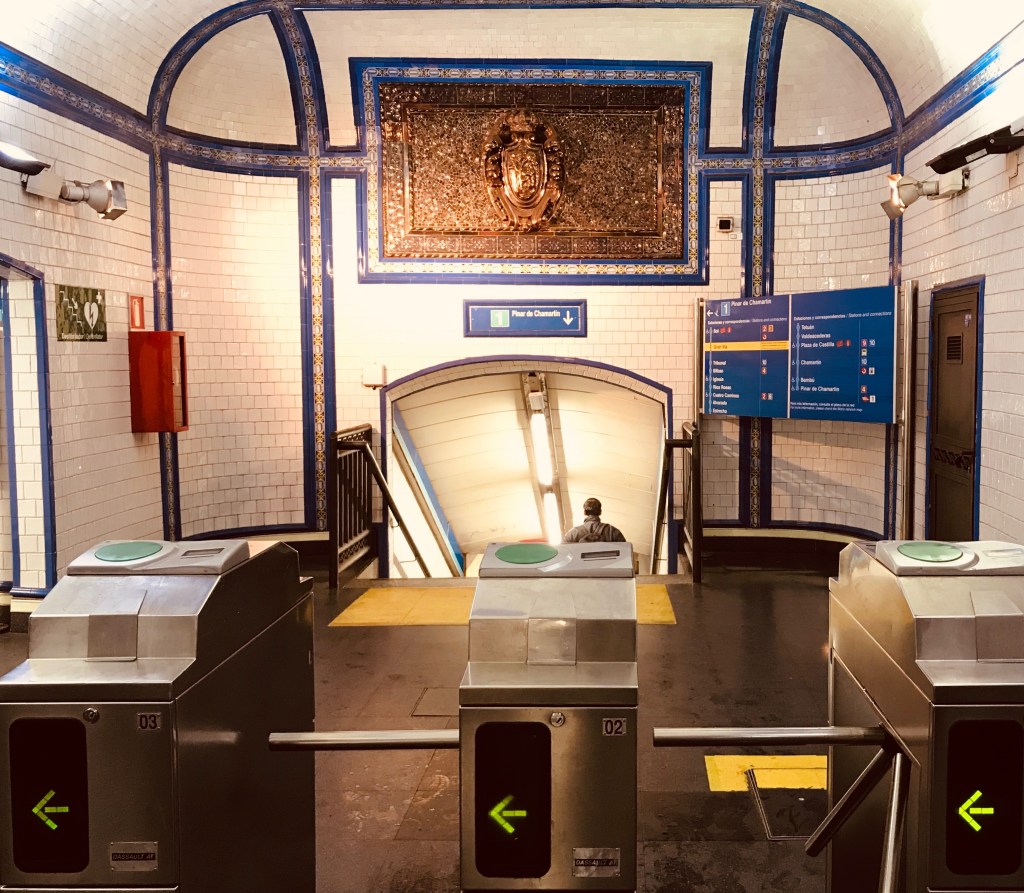
Become a Transpo Pro (A bit cheesy I know)
It may take you a few times to get it down, but remember it’s an adventure! Here are a few final words of advice:
Practice your commute to the school you will be working at a day or two before your first meeting so you are confident the day of.
Be aware of the three euro tourist charge on your way to and from the airport metro stops if you don’t hold an Abono card. This might be a bit of a surprise for you or a friend coming to visit. You must simply purchase the additional fee with one of the transportation ticket machines. You will see plenty of confused travelers frustrated when trying to get through the entrance and exit gates, so help them out if you have the chance!
Another small piece of advice for the bus: press one of the many yellow buttons on board the buses to signal to the driver you will be getting off at the next stop. Nobody tells you these kinds of things; it is just assumed you know! Sometimes another passenger will press a “parada solicitada” button, which will then light up these words at the front of the bus. If nobody presses the button, the bus driver may not stop or open the doors at your stop because nobody has signified they wanted off. I took this for granted until a friend who came to visit was stuck on the bus for a few extra stops.
Happy Exploring!
 BroadsAbroad